Sources before slogans
Claims begin with what evidence survives, how it survives, and what kind of witness it can offer.
Why this learning space exists
Texts & Traditions is a space for learners who want clarity without simplification, conviction without caricature, and a stronger historical education in the church.
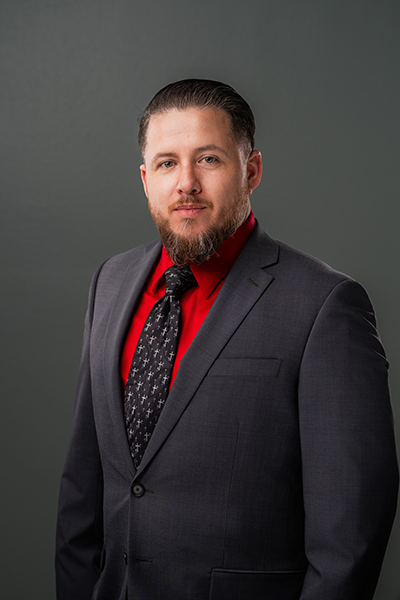
Jeremy Covarrubias is a pastor, teacher, academic administrator, and student of Church History and Historical Theology. He currently serves in youth ministry and as Registrar at Stark College & Seminary, where he has also taught Church History and Methods of Biblical Interpretation. His previous ministry includes service as an assistant pastor with responsibility for preaching, pastoral ministry, and church education.
Jeremy holds a Bachelor of Arts in Ministry, a Master of Arts, and a Master of Divinity from Stark College & Seminary. He is pursuing a Ph.D. in Church History and Historical Theology at Southwestern Baptist Theological Seminary. Before entering ministry and higher education, he served as a U.S. Army paratrooper, including deployments to Iraq and Afghanistan.
Since coming to faith in Christ, Jeremy has devoted his life to learning, teaching, and preaching Scripture. He believes biblical and historical education belongs not only in the academy but also in the local church. Texts & Traditions grows from his desire to educate the church, strengthen biblical literacy, equip teachers and ministry leaders, and help believers engage the Christian past with confidence, humility, and care.
Claims begin with what evidence survives, how it survives, and what kind of witness it can offer.
Chronology, geography, institutions, and vocabulary are introduced when they help a source become legible.
Historical communities and theological traditions are treated as situated, internally diverse, and worthy of precise language.
A responsible answer distinguishes what the evidence shows, what historians infer, and what remains contested.
“Never memorize something you can look up.”
Attributed to Albert Einstein
“There are no better minds. Just better libraries.”
H. B. Charles
Institutions, movements, practices, communities, and change across time.
How theological language took shape through reading, worship, debate, and pastoral need.